
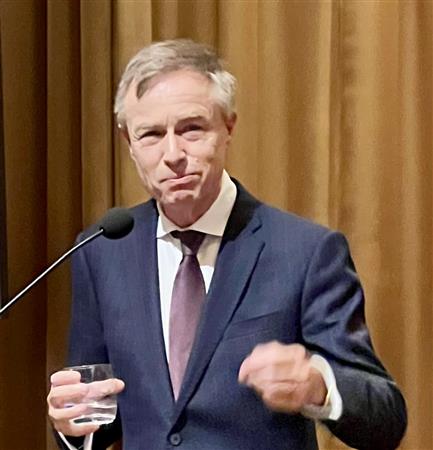
Our club was privileged to hear from John Allen, who provided fascinating insights into the vital work of the Ombudsman's office and it's role in maintaining fairness across all of New Zealand.
John leads a dedicated team of 240 people, primarily lawyers and champions for those seeking justice. The office has experienced significant growth, handling 7,800 complaints this year alone - a substantial 17% increase from the previous year. This growth reflects the broad jurisdiction of the role, the challenges faced by many in our community and the fact that the Office is free to access.
This accessibility is what sets the Ombudsman apart from traditional courts. the service is completely free, removing financial barriers that might prevent people from making complaints. Unlike courts, the ombudsman operates with broad discretion, conducting proceedings privately in an inquisitorial rather than adversorial manner. While they can only make recommendations rather than binding decisions, John emphasised their significant moral authority - recommendations are rarely rejected, particularly within the core state sector.
John highlighted several critical areas where the Ombudsman's office is trying to make a difference.
Prison Conditions: With 420 prisons to monitor, the office is addressing concerning issues like double-bunking and overcrowding, particularly in women's facilities where numbers are “exploding”. The focus remains on maintaining prisoner dignity despite challenging conditions.
Disability Rights: In difficult economic times, disabled communities often face the first cuts to services, making advocacy particularly crucial.
Oranga Tamariki: This area presents ongoing challenges, with the Ombudsman working for systematic improvement in practices and responses within the child welfare system.
School Governance: One area of particular difficulty involves School Trustees. These are volunteers who may just happen to have a child at the school and may lack the skills needed to manage a complex educational organisation. Many complaints stem from the breakdown between parents and Trustees, leading to conflicts requiring careful mediation.
John spoke passionately about the office's “fairness for all” mandate, drawing on theories of justice. This philosophical approach ensures that practices don't unfairly benefit the advantaged at the expense of the disadvantaged.
As a parliamentary appointee serving all New Zealanders, john wields remarkable authority - he can investigate any act of government, local or central, on his own initiative. However, this power comes with the responsibility to act with honour, reason, and sympathy, remaining strictly non-political. He hope to address both individual cases and systemic issues.
Despite current challenges facing New Zealand - from mortgage difficulties to unemployment - John expressed optimism about achieving fairness through collective action. the Ombudsman's office continues to serve as a constitutional safeguard, helping our society stay together during times of struggle and change.
John's presentation reminded us of the vital role oversight plays in maintaining public trust and ensuring government accountability. His commitment to fairness for all New Zealander serves as an inspiring example of public service at its finest.